
Many new cyclists worry about leaving their bike unattended, even for a quick stop. Properly locking your bike is one of the best ways to Rain Covers and Waterproofing: Keeping your stuff dry prevent theft and protect your investment. With the right approach and some easy tips, you can feel confident every time you secure your ride.
Commuter safety goes beyond just riding skills; it includes knowing how to safeguard your bike and accessories. Using a bike helmet and bike lights is important for safety, but a sturdy lock and smart locking habits are just as crucial. Beginners can quickly master the basics and significantly improve their bike security.
This article will guide you through beginner-friendly methods to lock your bike effectively. You will discover simple techniques that work in everyday situations. By following these steps, you’ll keep your bike—and your commute—safe and stress-free.
Understanding the Basics of Bike Security
The first step to locking your bike properly is understanding what thieves look for. Most will target bikes that are easy and quick to steal, so your goal is to make your bike less appealing. Using a strong lock and securing your bike in a visible area can be major deterrents.
Always lock your bike to a fixed, immovable object. Avoid locking to thin poles or anything that can Signs Your Chain Needs Care: Noise, rust, and skipping easily be cut or lifted. Position your bike so that removing it would be difficult or draw attention.
Choosing the Right Bike Lock
There are several types of bike locks, but not all are created equal. U-locks and heavy-duty chain locks are generally more secure than cable locks. Choose a lock that fits tightly around your bike and the locking point to leave little room for tools.
If possible, use two types of locks to secure different parts of your bike. This adds another layer of difficulty for potential thieves. Always compare the security rating and thickness when selecting a new lock.
Step-by-Step: Beginner Method for Locking Your Bike
Securing the Frame and Wheels
The most important part to lock is the frame, as it’s the most valuable part of your bicycle. Whenever possible, also Disc vs Rim Brakes: What commuters should know (simple) secure at least one wheel with the lock. Quick-release wheels are especially vulnerable, so pay extra attention to them.
Insert your lock through the frame and the rear wheel, then around the fixed object. Avoid locking only the wheel, as both the frame and the rest of the bike can be removed. If you have a second lock or cable, use it to secure the front wheel as well.
- Always lock the frame and at least one wheel to a sturdy object.
- Keep the lock away from the ground to make it harder to break.
- Position the keyhole downward to deter tampering.
- Avoid locking to items that can be easily cut or moved.
- Remove accessories like bike lights and helmet before leaving your bike.
Quick Tips for Everyday Commuter Safety
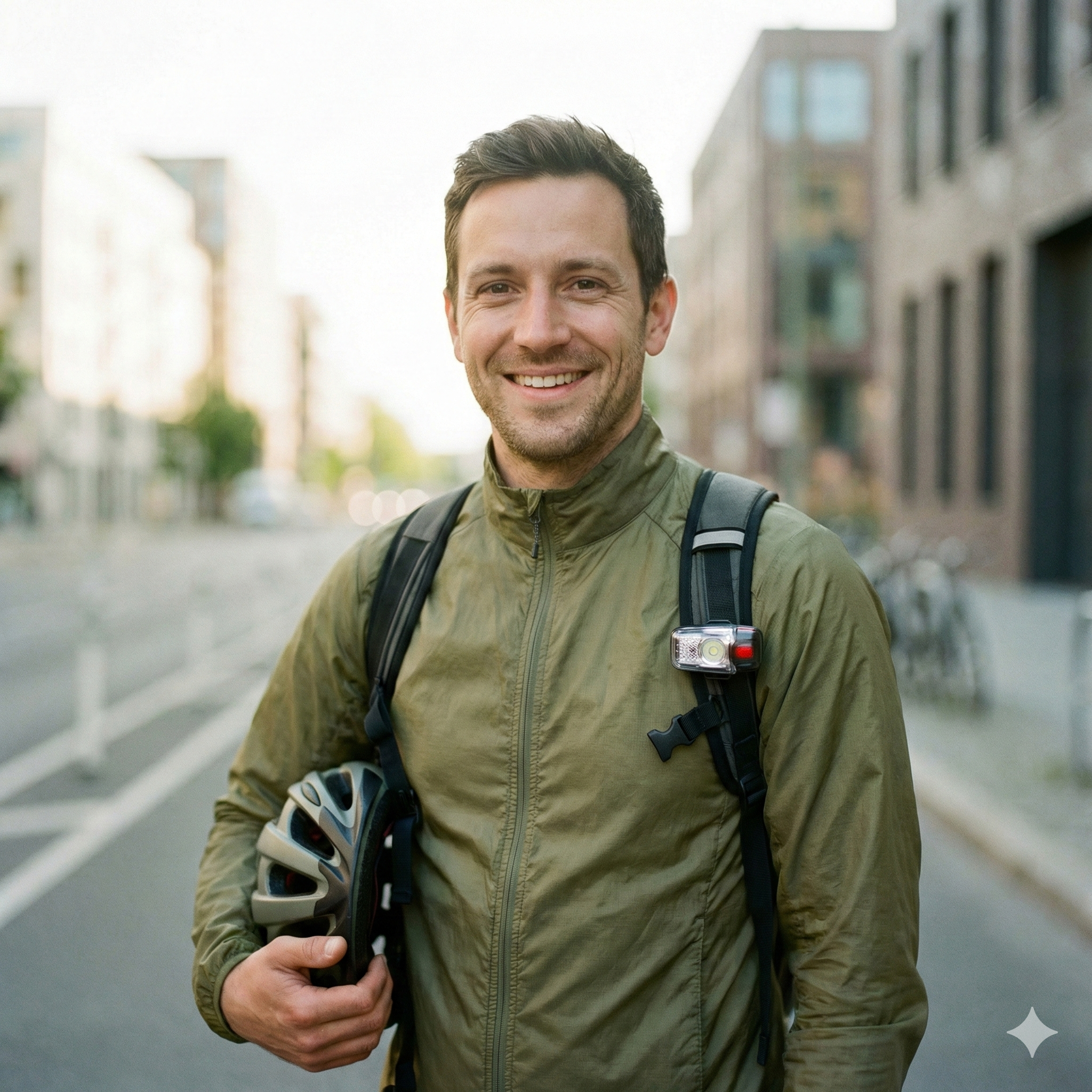
Besides locking your bike well, never forget to take your bike lights and helmet with you. Thieves often target these easy-to-remove items. Store them in your bag or take them inside if possible.
Try to park your bike in areas with lots of foot traffic and good lighting. The presence of people and visibility discourages theft attempts. Vary your parking locations when possible to avoid getting targeted by someone watching your routines.
Advanced Considerations for Extra Protection
If you want to take your security a step further, consider registering your bike with local authorities. Mark your bike with an identification number if possible. This can help recover it if it’s ever stolen.
Some cyclists choose to use GPS trackers hidden on their bikes. While not essential for beginners, it’s something to keep in mind as you grow more invested in cycling. Always review your insurance options if you have a high-value bike.
Conclusion: Building Safe Habits
Locking your bike properly is an essential habit every commuter should develop. It only takes a few extra moments but can save you from the frustration of theft. Simple steps, like using the right lock and securing your accessories, make a big difference.
Remember, visible and consistent security habits not only protect your bike but also contribute to a safer cycling community. As you practice these Learn more tips, you’ll gain confidence in your ability to keep your bike secure. Stay vigilant and enjoy every ride knowing your bike is locked up right.
Leave a Reply