
Urban cycling is on the rise, and knowing where to lock your bike is crucial for every commuter. With the right knowledge, beginners can avoid common Choosing a Bike Bag for Laptop and Work Gear (simple guide) mistakes that lead to bike theft or damage. This article explores smart bike-locking strategies and highlights key accessories that enhance commuter safety.
Choosing a secure spot for your bike is as essential as wearing your helmet or using proper lights. While a strong lock is vital, your locking technique and location can make all the difference. Riders new to cycling can benefit from a solid beginner plan that incorporates best practices for daily commutes.
By understanding which places to avoid and which strategies to implement, you can ensure your bike remains safe during your errands, work, or leisure rides. Let’s dive into practical tips and safety reminders for every cyclist. Whether you ride occasionally or commute daily, these insights will help protect your investment. Veja tambem: Guide to Using Rain Covers for Backpacks: Essential Tips for 2026.
Key Factors in Choosing a Locking Spot
When deciding where to secure your bike, visibility is one of the most important aspects. High-traffic areas deter thieves, making it less likely your bike becomes an easy target. Avoid locking up in secluded alleys or behind buildings, even if those areas appear convenient. Veja tambem: Guide to Locking Your Bike Securely: Essential Tips for 2026.
Another crucial factor is the object you attach your bike to. Ensure it is anchored firmly to the ground and cannot be easily Chain Wear Basics: When to replace (simple explanation) disassembled or cut. Public bike racks, sturdy poles, or official bike parking areas are generally safer choices than fences or trees.
Essential Accessories for Safe Commuting
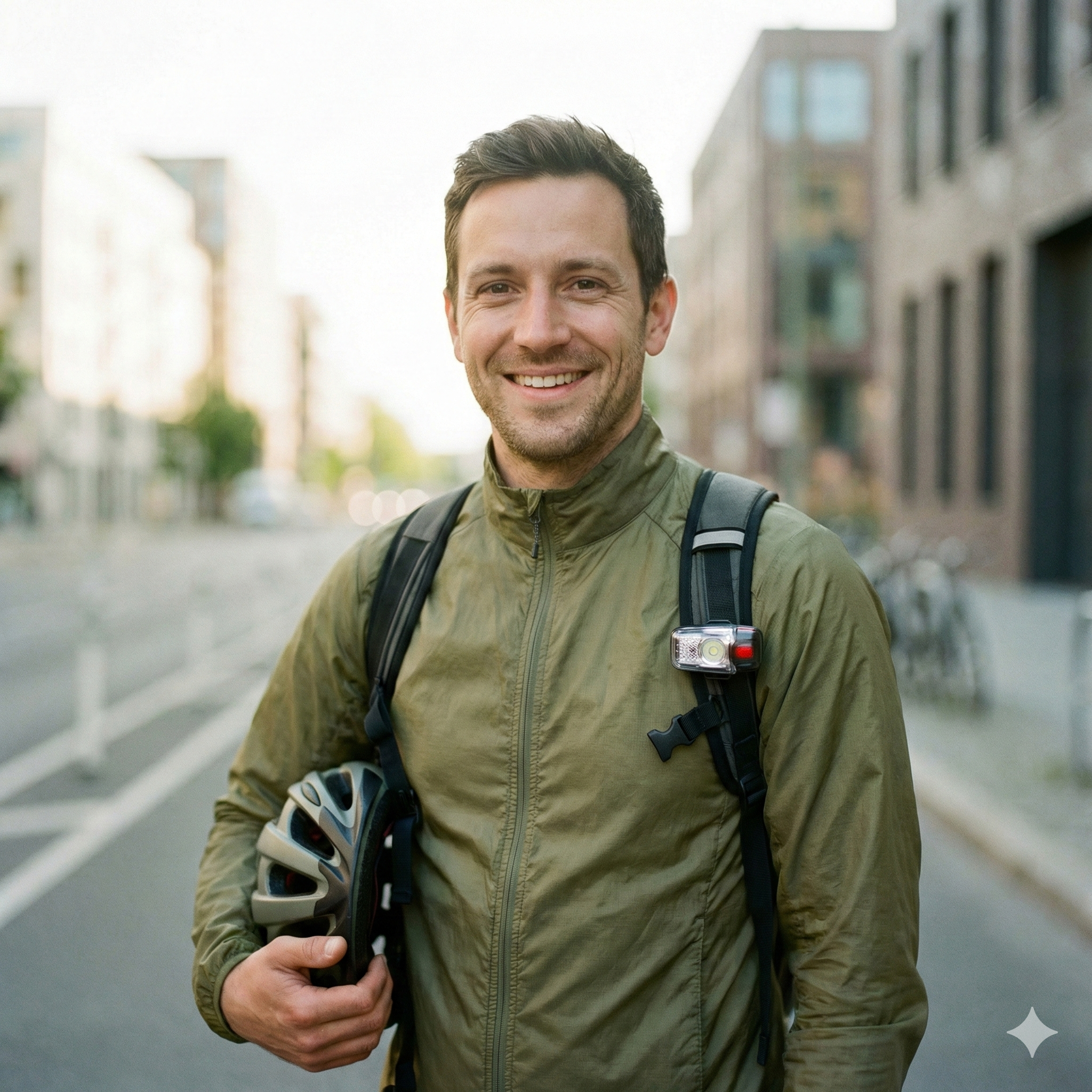
Besides choosing the right spot, investing in the right accessories boosts your peace of mind. A reliable bike lock, such as a U-lock or heavy-duty chain, forms the foundation of your security. Don’t overlook the importance of a certified bike helmet and high-quality bike lights, especially if you commute in low-light conditions.
Combining these accessories with reflective clothing and a bell increases both your safety and visibility. Plan your gear checklist before heading out, ensuring nothing essential gets left behind. This will help you develop a routine that naturally includes both lock placement and safety gear.
Smart Locking Techniques Every Beginner Should Know
Mastering the basics of locking technique is just as important as location. Always secure the frame and at least Choosing City Tires: Puncture protection vs rolling speed one wheel to the rack or pole. If possible, remove the front wheel and lock it with the frame for extra security.
- Use a combination of U-lock and cable lock to secure both wheels and the frame.
- Position the lock as high off the ground as possible to make leverage attacks more difficult.
- Fill the lock’s interior space to prevent tools from fitting inside.
- Ensure the lock does not touch the ground, as this can make it easier to break.
- If your bike has quick-release components, take them with you or lock them separately.
Developing these habits from the start can save you from expensive mistakes later on. It’s worth practicing at home before your first public outing.
Common Mistakes to Avoid
Many new cyclists make preventable errors when locking their bikes. One common mistake is locking only the wheel, which thieves can easily remove, leaving the rest behind. Another is choosing weak or thin objects as anchors, which can be quickly compromised.
Failing to use well-lit, visible areas is another pitfall. Darkness and isolation offer cover for thieves, so always prioritize spots near pedestrian traffic or under surveillance cameras. Finally, neglecting your accessories—like lights and helmets—can lead to both safety and theft risks.
Building a Commuter Routine
Develop a daily checklist as part of your beginner plan. Before heading out, check your helmet, lights, and lock. As you arrive at your destination, take a moment to assess the spot and use the best locking technique available.
With consistency, these steps will become second nature and contribute to a safer, more enjoyable commute. Over time, you’ll gain confidence in securing your bike, making cycling a reliable part of your daily routine.
Conclusion: Prioritizing Safety and Security
Locking your bike properly is a blend of smart location choices, effective techniques, and reliable accessories. By learning what works and what to avoid,Learn more cyclists of all levels can dramatically reduce theft risks. Keep safety at the forefront, and your bike will be ready for the next ride—whenever you are.
Leave a Reply