
Choosing how to carry your load on a bike ride can significantly affect your comfort and performance. Whether you opt for a backpack or panniers, the impact Route Testing: How to refine your commute in 3 rides on your cycling posture is often underestimated. Understanding these differences is crucial for anyone aiming to improve their overall riding experience.
Your riding position is deeply influenced by your bike fit, saddle height, and how extra weight is distributed. Improper weight placement can lead to discomfort or even injury over time. By considering how backpacks and panniers alter posture, cyclists can make smarter decisions for both short commutes and long-distance tours.
This article explores how backpacks and panniers change your ride, especially through the lens of posture and fit. We’ll break down practical tips for maximizing comfort, adjusting your setup, and pairing the right gear with your riding style. Let’s dive into the crucial details that make all the difference on two wheels.
Understanding the Role of Bike Fit
Bike fit is the foundation of riding comfort and efficiency. When your bike is adjusted to your body, every pedal stroke feels smoother and puts less strain on your joints. Any added weight, whether from a backpack or panniers, interacts with your position on the bike, so a good fit is essential before adding cargo.
Saddle height deserves particular attention, as it influences both power output and comfort. If saddle height is set incorrectly, carrying extra weight Micro-Routines for a Smooth Commute: Warm-up and cool-down can exacerbate discomfort and increase the risk of overuse injuries. Re-check your fit when changing how you carry your gear to maintain optimal posture.
The Impact of Backpacks on Cycling Posture
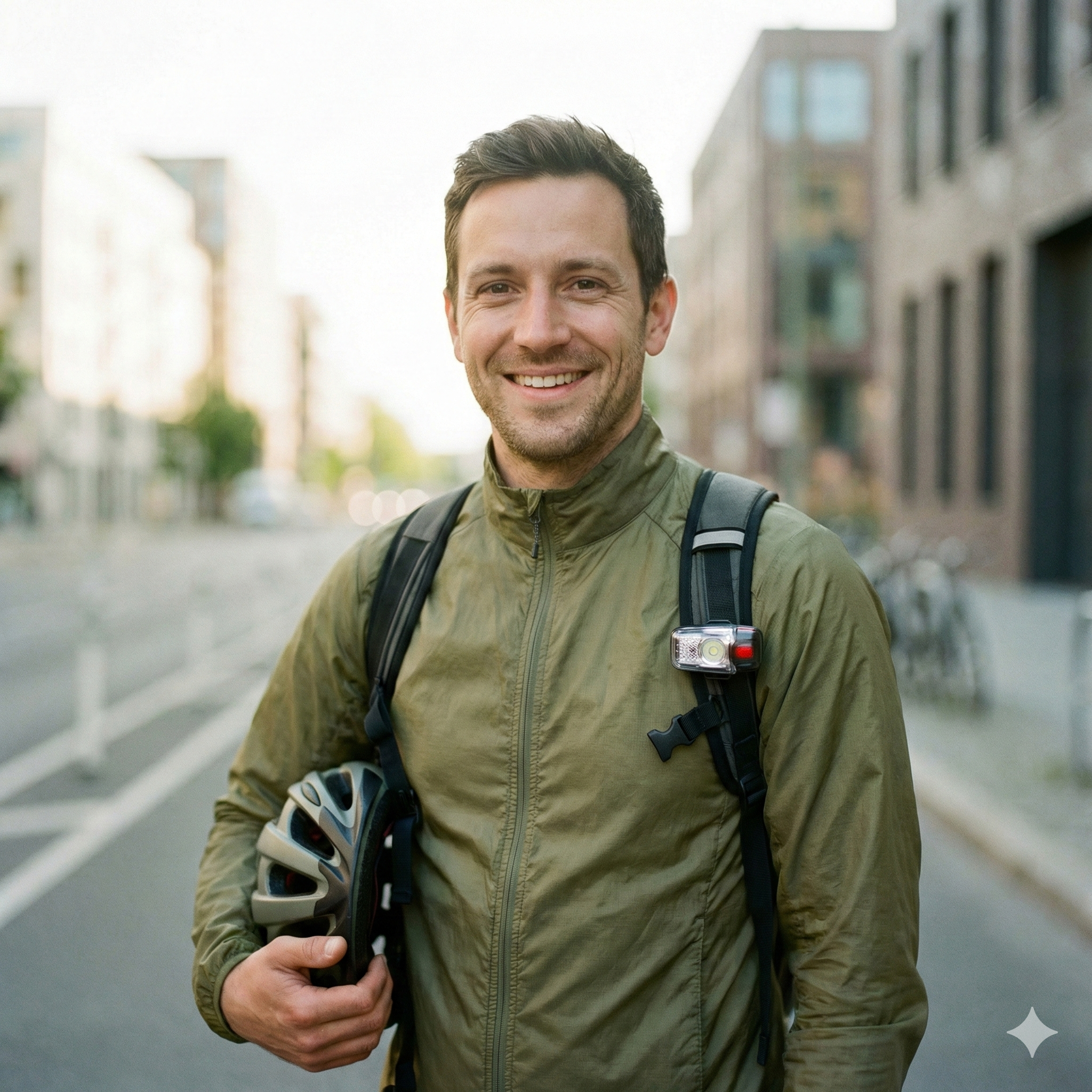
Wearing a backpack centralizes weight on your back, which can subtly but noticeably alter your upper body position. Cyclists often find themselves leaning more forward or rounding their shoulders to compensate for the load. This shift can lead to increased strain on the neck, shoulders, and lower back, especially on longer rides.
Backpacks are generally convenient and offer easy access to contents, but they can also cause perspiration and restrict airflow, impacting comfort. Over time, wearing a backpack may encourage a more hunched posture, which can conflict with proper bike fit and saddle height adjustments.
How Panniers Change the Dynamics
Panniers move weight off your body and onto the bike frame, usually attached to a rear or front rack. This redistribution allows your upper body to remain relaxed Battery and Charging Routine for Lights: Easy weekly plan, promoting a more neutral and natural cycling posture. By keeping your core unburdened, panniers help maintain the fit adjustments you’ve made to your bike.
However, panniers can affect bike handling, especially when loaded unevenly or overloaded. Riders might notice changes in balance or cornering, but these issues are often less disruptive to posture than the physical demands of a heavy backpack.
Comfort Tips for Both Carrying Methods
Regardless of your choice, there are several ways to improve comfort and posture. First, limit the overall weight you carry and distribute it as evenly as possible to avoid unwanted strain. If you choose a backpack, opt for ergonomic designs with padded straps and ventilation channels.
For panniers, ensure racks are properly installed and loads are balanced side-to-side. Consider using smaller panniers or packing heavier items at the bottom to lower the center of gravity. Always take time to tweak saddle height and handlebar position after adjusting your load-carrying method.
- Regularly check your bike fit after changing cargo setups.
- Adjust saddle height in small increments when adding or removing weight.
- Choose ergonomic backpacks or well-designed panniers to reduce physical stress.
- Stay mindful of posture during longer rides, taking breaks to stretch if needed.
- Test different setups on short rides before committing to long journeys.
Pairing Guide: Matching Gear with Your Ride
Selecting between a backpack or panniers often comes down to ride type and duration. For quick urban commutes or lightweight errands, backpacks may be the simplest choice. However, for touring, long commutes, or when carrying heavier loads, panniers usually provide superior comfort and stability.
It’s also worth considering your riding posture and any past discomforts. Cyclists prone to upper back or shoulder pain may benefit from switching to panniers. Conversely, those who value agility and frequent stops might stick with a backpack, provided they pay close attention to fit and load.
Combining Both for Versatility
Some cyclists use a combination of both systems, such as a small backpack for valuables and panniers for bulkier items. This approach offers flexibility but requires careful attention to overall weight distribution. Always adjust bike fit and test new setups before big rides to ensure optimal comfort and posture.
Conclusion: Finding Your Perfect Setup
Whether you choose a backpack or panniers, remember that comfort and posture are closely linked to how you carry your gear. Taking time to adjust bike fit and saddle height can make a significant difference on every ride. Small changes in how you distribute weight can help prevent discomfort and enhance your cycling experience.
Experimenting with different gear and adjustments is the best way to find what works for your body and riding style. Stay attentive to posture, listen to your body Learn more, and don’t hesitate to seek professional bike fitting advice if needed. Ultimately, a dialed-in setup lets you ride longer, stronger, and with greater enjoyment.
Leave a Reply