
Commuting during school zone and rush hour periods presents unique challenges for both new and experienced travelers. Urban traffic can become overwhelming,Where to Lock Your Bike: Smart spots and common mistakes especially when timing and safety are not prioritized. Making informed choices about your journey can greatly enhance your daily commute and reduce stress.
Understanding the dynamics of school zones and rush hour traffic is essential for anyone navigating city streets. With the right plan and careful habits, even beginners can manage their commutes with confidence. This article offers practical tips and strategies for safer and smarter travel during busy hours.
Whether you are a student, a parent, or a professional, adapting your commute to these peak times is both wise and necessary. By following a beginner-friendly approach, you can avoid common pitfalls and embrace safer, more efficient routines. Read on for insights and actionable advice to make your next journey smoother and safer.
Identifying Peak Hours and School Zones
The first step to a safer commute is recognizing when and where traffic peaks. Rush hour typically occurs twice daily—early morning and late afternoon—coinciding with school drop-off and pick-up times. Awareness of nearby schools and their schedules can help you anticipate increased pedestrian and vehicle movement.
School zones often have reduced speed limits and increased surveillance for safety. Always stay alert for crossing guards, school buses,Choosing a Bike Bag for Laptop and Work Gear (simple guide) and students who may cross unexpectedly. Taking detours or adjusting your timing can help you avoid these congested areas when possible.
Building a Beginner’s Commute Plan
For those new to commuting in urban areas, preparation is key. Map out your route in advance and look for alternate streets that may be less crowded. Consider using public transportation or carpooling to reduce your exposure to heavy traffic.
Using navigation apps can provide real-time updates about accidents, slowdowns, or school zone alerts. Plan to leave earlier than necessary, especially during your first few weeks, as this buffer will help you adapt to unforeseen delays.
Safe Riding and Driving Practices
Whether you drive, cycle, or walk, adopting safe behaviors during rush hour and near schools is crucial. Always obey traffic Chain Wear Basics: When to replace (simple explanation) signals and speed limits, especially in designated zones. Avoid distractions, such as using your phone or eating while driving.
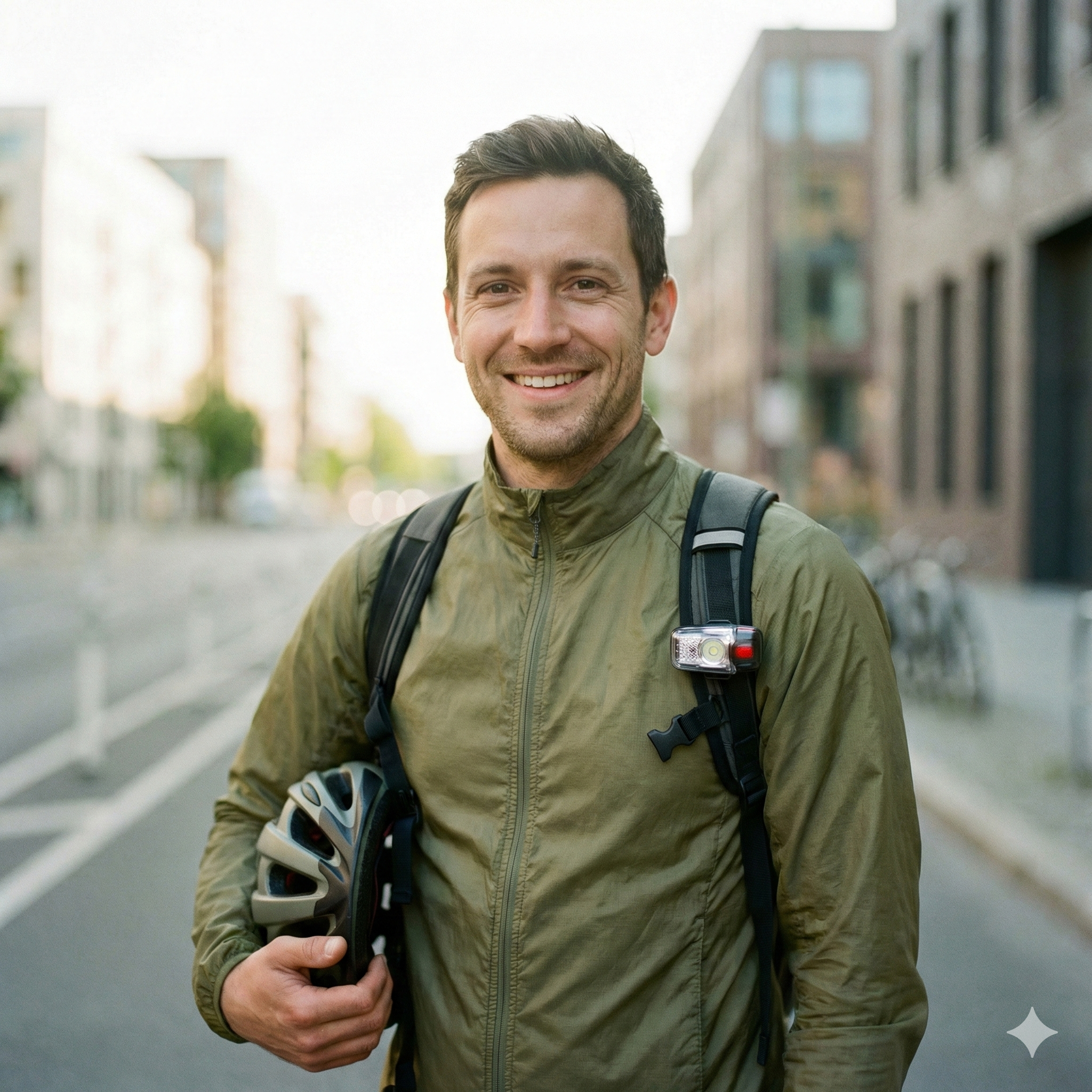
For cyclists and pedestrians, wear visible clothing and make eye contact with drivers before crossing streets. If you ride a bike, use designated lanes and, when possible, avoid major intersections during peak times.
Tips for Navigating Urban Traffic
Navigating the complexities of city traffic requires patience and adaptability. Keep a safe distance from other vehicles, especially around school buses, which make frequent stops. Anticipate sudden stops and prepare to yield to children and parents crossing the road.
Urban areas often have unpredictable elements like delivery trucks, ride-sharing vehicles, and construction. Stay vigilant and flexible in your route planning to avoid bottlenecks and stay on schedule.
- Reduce speed in school zones and during rush hour.
- Plan alternative routes to avoid high-traffic areas.
- Leave extra time for unexpected delays.
- Stay alert for pedestrians and cyclists.
- Use public transportation when practical.
Adjusting Your Routine for Long-Term Success
Developing consistent, safe commuting habits will pay off over time. Review your route and timing regularly to adapt to changing patterns in traffic or school schedules. Communicate with others, such as carpool partners or family members, about any route changes or updates.
Take note of local weather forecasts, as rain or fog can further impact visibility and traffic flow. Investing in your personal safety—through defensive driving courses or public transport passes—can make your daily journey more reliable.
Conclusion: Making Safer Choices Every Day
Mastering your commute during school zone and rush hour periods is an ongoing process. By planning ahead, staying alert, and prioritizing safety, even beginners can navigate urban environments with confidence. Over time, these habits will not only protect you but also contribute to a safer community for everyone.
Remember that small adjustments, such as shifting your departure time or choosing a quieter route, can have a significant impact. Consistency and Learn more caution are your best allies on the road. With these strategies in mind, you are well-equipped to face your daily commute safely and efficiently.
Leave a Reply