
Riding your bike at night can be an exhilarating experience, but it comes with unique safety challenges. Low visibility increases risks, making the Weight Distribution Tips: Stop shoulder pain and bike sway right gear and best practices essential for commuter safety. Understanding which equipment truly makes a difference can transform your evening rides.
Many cyclists wonder what actually works when it comes to being seen and staying safe after dark. Helmets, lights, locks, and reflective accessories all have their place, but not every product delivers on its promises. Choosing the right combination is key to reducing hazards and enjoying a smoother commute.
By focusing on proven visibility solutions, you can confidently navigate city streets or suburban roads at night. This article explores the essentials for night riding safety and highlights equipment that genuinely improves your visibility. Prepare to discover practical tips and strategies for a safer nighttime cycling experience.
Essential Helmet Features for Night Riding
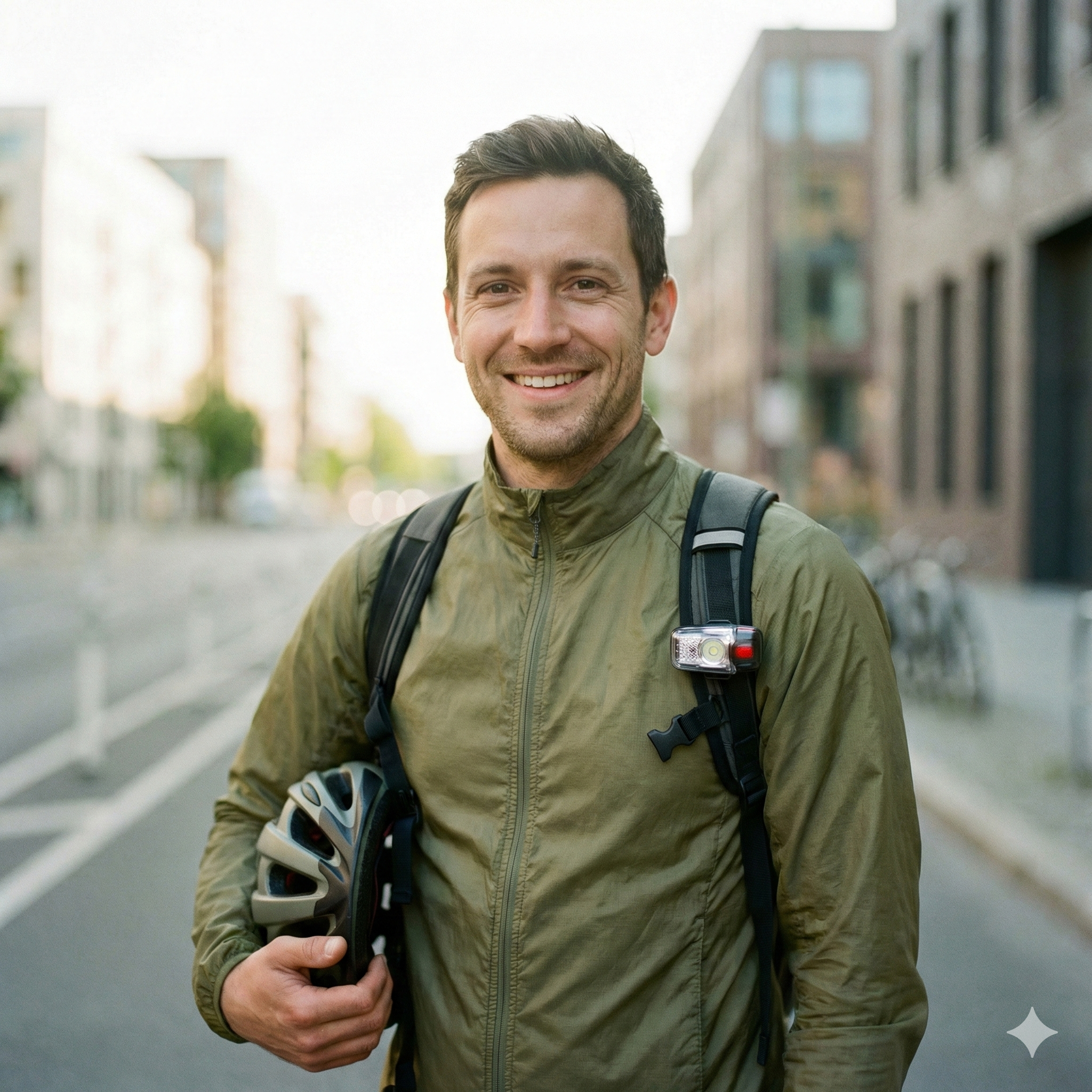
A quality bike helmet is non-negotiable, but some models go the extra mile for night riders. Look for helmets with integrated lights or reflective elements, which increase your visibility from all angles. Adjustable fit systems also ensure your helmet stays securely in place, even during sudden movements.
For urban commuters, ventilation and lightweight materials are important, but visibility features should never be overlooked. Some helmets offer rear 5-Minute Post-Rain Bike Care: Preventing rust fast LED lights, making you more noticeable to vehicles approaching from behind. Investing in a helmet designed for night safety is a smart first step.
Choosing the Right Bike Lights
Bicycle lights are arguably the most critical piece of night riding gear. A powerful front light illuminates your path, while a bright rear light alerts drivers to your presence. Choose rechargeable models when possible, as they provide reliable brightness and are more eco-friendly.
Consider the lumens output, beam pattern, and mounting options to match your typical riding environment. For city streets, a light with a steady mode and wide beam works well, while rural areas may require higher brightness and longer battery life. Don’t forget to carry spare lights or batteries as a backup.
- Always use both front and rear lights, even on well-lit roads.
- Select lights with multiple modes (steady, flashing, pulsing) for varying conditions.
- Check battery levels before each ride to avoid unexpected blackouts.
- Mount lights securely to prevent shaking or shifting during your commute.
- Clean lenses regularly for maximum visibility and performance.
Reflective Gear: Small Details, Big Impact
Reflective clothing and accessories significantly amplify your presence on the road. Items such as vests, ankle bands, and gloves catch headlights from How to Fix Squeaky Brakes: Quick troubleshooting different angles, alerting motorists to your movement. Reflective tape can be added to your bike frame, helmet, and even your lock for extra precaution.
While some cyclists rely solely on lights, adding reflective elements is a simple yet powerful upgrade. The combination of active (lights) and passive (reflective) visibility ensures you stand out in a variety of conditions. Remember, the more you glow, the safer your ride.
Bike Locks and Security at Night
Nighttime often sees increased bike theft, making a reliable lock crucial for commuter safety. U-locks and heavy-duty chains offer superior protection compared to cable locks, which can be cut easily. Choose a lock with reflective features for both visibility and deterrence.
Lock your bike in well-lit areas whenever possible, and secure both the frame and wheels. Some modern locks come with built-in alarms or tracking capabilities, offering additional peace of mind. Never underestimate the importance of robust security, even if you plan a quick stop.
Best Practices for Nighttime Commuters
Smart riding habits are just as important as having the right gear. Always signal your turns clearly and obey traffic laws, since unpredictable movements are harder to detect at night. Ride in designated bike lanes when available, and avoid distractions like headphones or mobile devices.
Plan your route ahead of time, choosing roads with adequate lighting and less traffic when possible. Group rides can boost visibility, as motorists are more likely to notice multiple cyclists together. Stay alert, trust your instincts, and adapt to changing conditions for a safer journey.
Conclusion: Confidence Through Preparation
Navigating the streets after dark requires a thoughtful approach to gear and behavior. By investing in high-quality helmets, lights, reflective accessories, and secure locks, you can dramatically reduce your risk. Combine these tools with attentive riding and safety-conscious habits for a confident, enjoyable night cycling experience.
Visibility is more than just being seen—it’s about communicating your presence to others on the road. With the right preparation and mindset Learn more, night riding can be both safe and rewarding. Equip yourself wisely, follow best practices, and enjoy every ride, no matter the hour.
Leave a Reply