
Knowing what type of bike lights are safest is critical for every cyclist. In 2026, new technology and urban trends make this choice more important than ever. Whether you commute daily, ride at night, or use your bike for exercise, understanding the safest bike lighting keeps you protected.
Visibility is central to cycling safety. Effective lights ensure drivers, pedestrians, and other cyclists can see you from a distance. This article breaks down the safest choices for bike lights, offering practical advice, expert opinions, and real data.
Let’s explore which types truly improve safety, how to compare beam patterns, brightness, and regulations, and what innovations matter most for city riders.
What Type of Bike Lights Are Safest? Core Features That Matter
When we ask what type of bike lights are safest, we’re considering several things. The safest lights make you visible, help you see the road, and last for your whole ride. They should also follow local laws for power and color. Veja tambem: How to Clean a Bike Chain at Home: A Step-by-Step Guide.
For most cyclists, visibility is the top priority. In fact, a 2025 National Highway Traffic Safety Administration report showed that collisions with bicycles were 70% more likely in low light or darkness. Therefore, having the right lights can literally save lives. Veja tambem: Guide to Locking Your Bike Securely: Essential Tips for 2026.
The two main types of bike lights are:. Veja tambem: Step by Step Guide to Installing Bike Lights: Easy Setup Tips.
- Front lights (white) – These attach to your handlebars or helmet. Their main job is to let you see and be seen ahead.
- Rear lights (red) – These attach to your seat post, rack, or helmet. They alert drivers and cyclists behind you.
- Brightness: Measured in lumens. For city riding, 100-300 lumens can be enough. For dark roads, aim for at least 500 lumens up front. The rear light should be bright but not blinding—30-100 lumens is common.
- Beam Pattern: Wide and even patterns improve side visibility. Focused beams help on dark rural rides but may annoy oncoming traffic if too strong.
- Flash Modes: Flashing lights grab attention. A study by the Swedish National Road and Transport Research Institute showed that flashing rear lights reduced car-bike rear collisions by 50%.
- Mounting Position: Combining a seatpost light, a helmet light, and a reflective vest spreads your visibility. Multiple lights are always safer than one.
- Instant On/Off: Ready when you need them, even in emergency stops.
- Energy Efficiency: Longer rides between charges.
- Programmable Modes: Many offer steady, fast flash, and slow pulse. Mixing modes increases your visibility.
- No Disposable Batteries: Less waste and a smaller environmental footprint.
- Fast Charging: Many lights can fully recharge in 2-3 hours.
- Battery Level Indicators: Avoid getting stuck with dead lights on your ride.
- Automatic ON/OFF: Lights activate when you start moving.
- Crash Detection: Some can alert contacts if you fall off your bike.
- Sync with Apps: Log light use and optimize flash modes for your city.
- Cygolite Hotshot Pro: Offers up to 150 lumens rear, with bright flash settings and a long battery. Many commuters rate its side visibility high. It provides both USB-C charging and water resistance.
- Lezyne Strip Drive: Known for 270-degree visibility. This model’s wide lens is perfect for city riders crossing many intersections.
- NiteRider Lumina 1200 Boost: Delivers a steady 1200-lumen front beam, perfect for dark roads. It also offers several flash and steady light combinations.
- Bontrager Ion Pro RT: Offers advanced Bluetooth controls and light sync across devices, with 600+ lumens at medium settings for long rides.
- Garmin Varia Radar Tail Light: Alerts you through your bike computer when cars approach from behind. As a result, you react faster when traffic gets too close.
- Knog Plus Free: Versatile lights that clip on bags, jackets, or rims. Offer solid battery life and all-weather durability for daily riders.
- Charge Lights Often: Check battery levels before every ride. Cold weather lowers runtime, so plan accordingly.
- Clean Light Lenses: Dirt, mud, and city grime lower brightness over time.
- Check Mounts Frequently: Loose mounts can send your light flying after a bump. Use rubber mounts or reinforced clamps for extra security.
- If you notice fading brightness or short battery life, it might be time for a new model.
- If local laws change or new safety standards are set, update your lights accordingly to stay legal and safe.
Key Features for Safer Bike Lights
Finally, always check that your lights are weatherproof. Rain, dust, and snow are common hazards for lights in real-world cycling. Veja tambem: Best Practices for Locking Electric Scooters: Secure Parking Tips.
Comparing Bike Lights: LED, Rechargeable, and Smart Options
Choosing the safest type is easier when you know the pros and cons of each. Bike lights have evolved rapidly in 2026. Now, many cyclists prefer LED, rechargeable, or app-connected models.
LED Lights: Bright, Efficient, and Long-Lasting
LED (light-emitting diode) technology dominates the market. LEDs use less power and last much longer than older bulbs. In addition, their compact size means you can mount them almost anywhere—your handlebars, helmet, or seat post.
LED bike lights offer:
However, not all LEDs are equal. Cheaper models may offer poor beam spread or uneven brightness. Always look for certified ratings and independent reviews before buying.
Rechargeable Bike Lights: Convenience and Sustainability
In 2026, most quality lights are rechargeable via USB-C. This offers big advantages:
Nevertheless, always check real-life runtimes. Cheap rechargeable lights may exaggerate runtime claims. Look for models that last at least 4 hours on medium mode, which manages both visibility and battery life.
Smart and Connected Bike Lights
Some premium bike lights now connect to your phone through Bluetooth. As a result, you can control flash patterns, monitor battery life, and even activate theft alarms.
Features of smart bike lights include:
While smart lights cost more, they bring new safety functions. However, always consider that you may not always need these extras for basic commuting.
Light Placement: How to Maximize Your Safety and Visibility
Even the best bike light is only effective if used correctly. Where you place your lights impacts both your visibility to others and your ability to see hazards. Knowing the safest placements helps prevent the most common city cycling accidents.
Front Light Positioning
For most riders, the handlebar is the best spot for a main front light. Place it at a height that won’t blind pedestrians or drivers. The beam should light up the road 20-30 feet ahead. Many experienced cyclists also use a second light on the helmet. Because of this, you can point exactly where you look, which is useful for turns.
Using both a steady front light (to see) and a flashing one (to be seen) is the best plan. For example, a bright 500-lumen steady beam helps you spot potholes, while a flashing 100-lumen light on your helmet catches attention from side streets.
Rear Light Placement
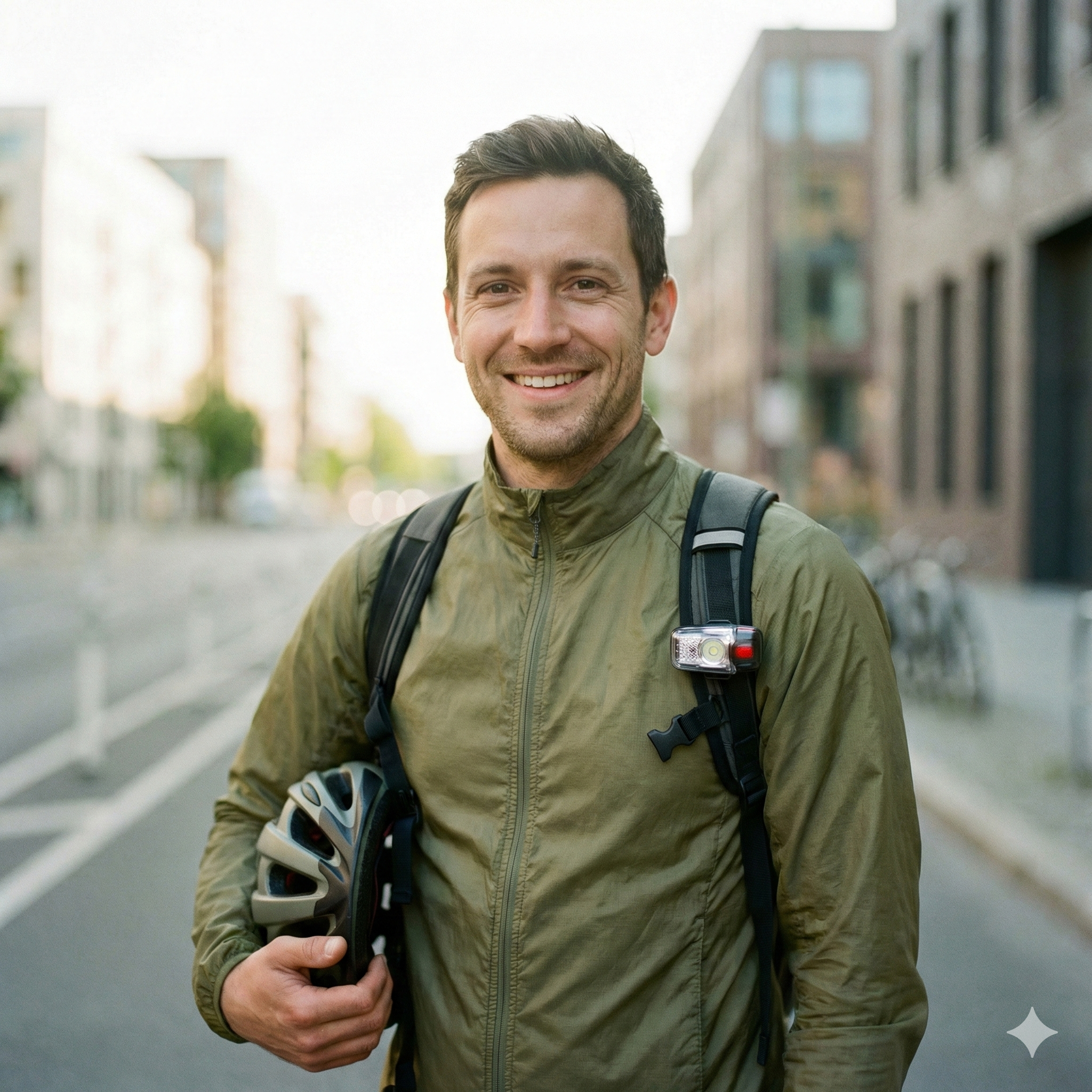
The safest rear lights are mounted as high as possible, like on your seat post or even a backpack. This improves the angle seen by car drivers, especially in traffic. For further safety, consider a second red light closer to the wheel or on the back of your helmet for extra visibility.
In addition, flashing modes are essential for rear lights. As a result, drivers notice you sooner and from farther away. Just be careful that the setting is not so bright it annoys those behind you.
Side and 360-Degree Visibility
Many recent collisions happen at intersections. Because of this, adding spoke lights or reflective strips to your wheels and pedals is smart. Some companies now make USB-C recharged spoke lights that wrap around the entire wheel for all-around visibility. In summary, the more angles you cover, the safer you are.
Meeting Safety Regulations and Legal Requirements
To stay safe and avoid fines, you need to follow your city or state’s bike light laws. The safest bike lights not only keep you visible but also comply with legal standards in 2026.
Legal Requirements in Cities and States
Most U.S. states require a white front light visible from at least 500 feet and a red rear light visible from 600 feet. Flashing modes are accepted in most places, but some states limit their use or brightness.
For example, New York and California have specific rules about blinking patterns and minimum runtime. Make sure to check your local Department of Transportation website for current rules.
In addition, some cities now require side reflectors or pedal lights for night riding. If you commute in urban areas, having both lights and reflectors gives you the best chance of staying legal and visible.
Certification and International Standards
Look for safety certifications on the package, such as CPSC (Consumer Product Safety Commission) in the U.S. or StVZO in Germany. Certified lights meet brightness and beam pattern standards. In fact, German StVZO-certified lights are popular across Europe, as they reduce upward glare and focus brightness on the road.
Real-World Enforcement and Safety Data
Police enforcement of bike light laws increased 30% in major U.S. cities between 2024 and 2026. In addition, injury rates dropped by 18% in urban areas with strict “lights on at dusk” campaigns, according to city transport data. This shows that following both the law and best safety practices makes a real difference.
Comparing Popular Bike Lights: Top Choices in 2026
With so many lights on the market, how do you pick those that truly boost safety? Let’s look at a few leading brands and models, based on real-world use and expert opinion for 2026.
Compact Urban Commuter Lights
Heavy-Duty Touring and Night Riders
Innovative Features for Extra Safety
When choosing your lights, always check independent reviews and safety recalls before buying new tech. User forums and manufacturer websites share up-to-date data on real-world performance and durability.
Tips for Maintaining Bike Lights and Maximizing Safety
Buying the safest bike lights is just the beginning. Ongoing care and correct use ensures you stay visible and avoid equipment failure.
Regular Maintenance and Best Practices
Cycling in Groups or at Events
If you ride with others, avoid using extremely bright or flashing lights in close formation. Instead, use steady or dimmed settings to prevent blinding those behind or ahead. Many organized rides now have guidelines for best light settings to maximize group safety.
When to Replace or Upgrade Bike Lights
Conclusion
Choosing what type of bike lights are safest means looking beyond just brightness. The safest lights make you visible from all directions, work in all weather, and last through your entire ride. In 2026, LED, rechargeable, and smart bike lights bring both convenience and improved safety.
Always place your lights for maximum visibility, check legal requirements, and keep your gear well maintained. The right bike lights can help prevent accidents and keep you riding with confidence—day or night.
Want to learn more about cycling safety gear, including top helmets and locks? Explore more guides at iloanxo.com to upgrade every part of your riding experience. Stay safe and keep shining.

Leave a Reply